
Maritime Safety Monitoring: Edge Hardware Delivered Fast
MIDL needed marine-grade edge hardware fast to launch its AI maritime safety suite. With MIDL shipping quickly and supporting setup, the team moved from concept to a working capability without hardware delays.
Overview
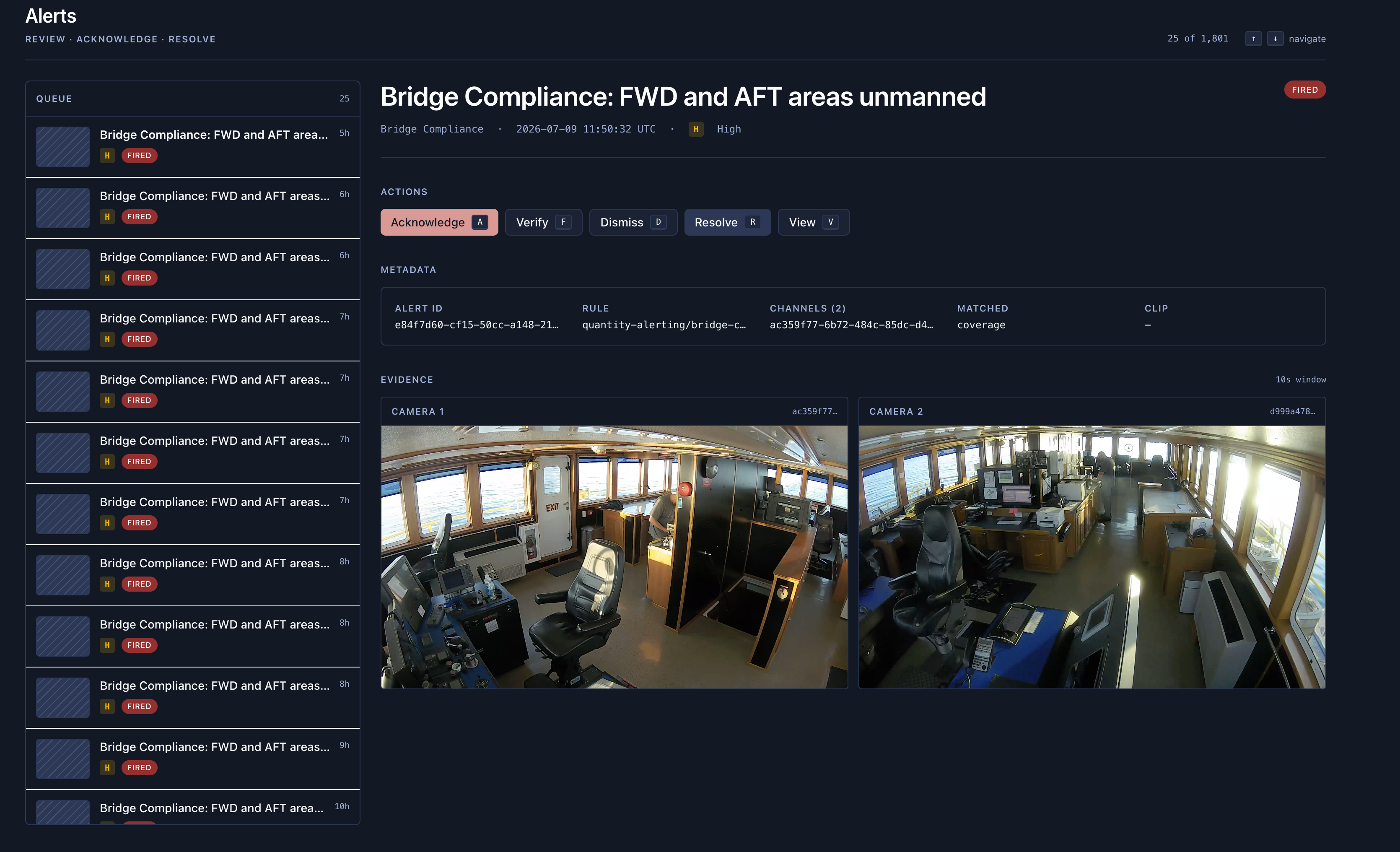
MIDL built an AI-driven maritime safety and security monitoring suite for vessel operators. It covers bridge watch, navigation and voyage monitoring, dynamic positioning (DP) oversight, deck safety, and fire and machinery detection, for vessels both underway and on station.
The suite is built for operators in the United States. To bring it to market, MIDL needed marine-grade edge hardware on a short timeline, and it worked with hardware partner Velasea to get it.
The Challenge
MIDL's product and client delivery timeline was aggressive. The monitoring suite could not be integrated, tested, or shown to maritime security customers until vessel-ready edge hardware was in hand.
Hardware lead times are a common brake on AI deployments that depend on physical devices. Any delay in getting hardware to MIDL would have pushed back integration work and put commitments to maritime security customers at risk.
The Solution
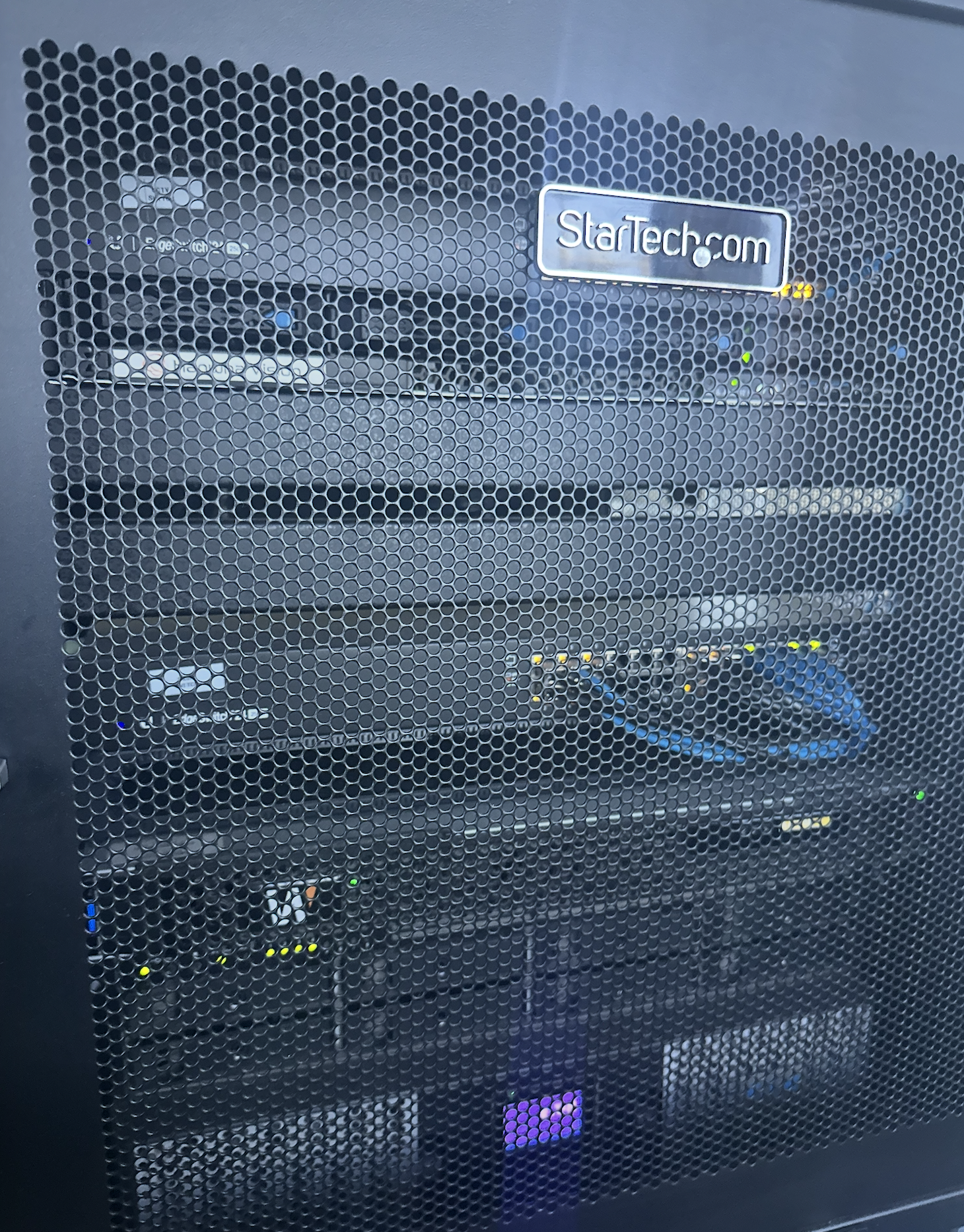
Velasea shipped the right edge hardware to MIDL quickly, which shortened the lead time that usually slows hardware-dependent AI projects. The devices were built for vessel-based deployment.
With the hardware in hand, MIDL's team could concentrate on the AI logic and on the platform that runs it.
Rollout
Velasea supported MIDL through setup and integration, helping the team get devices online and communicating with the MIDL platform. That kept the team from getting stuck on hardware logistics or configuration issues.
One safety picture from many data sources
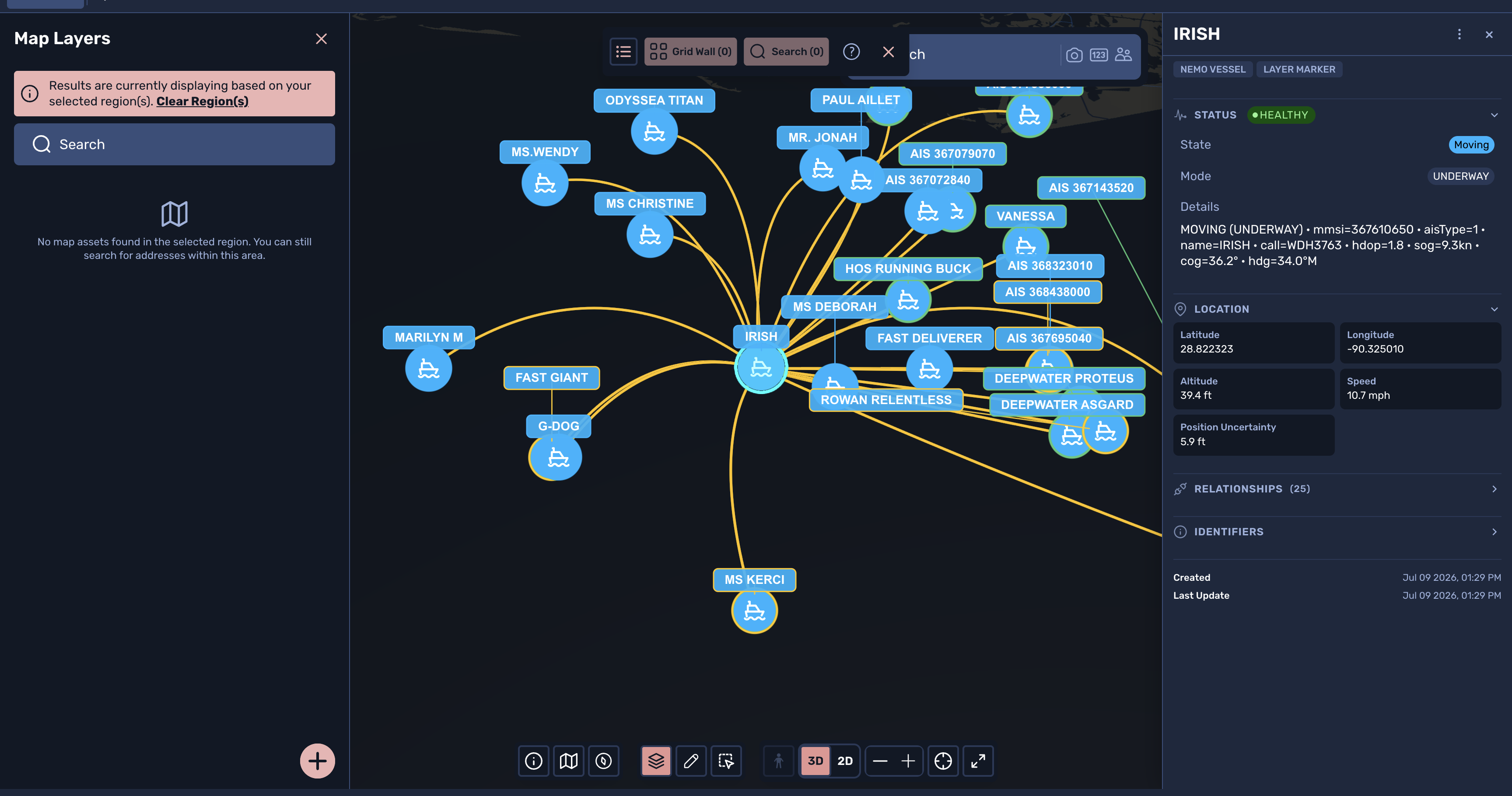
MIDL's data orchestration engine fuses video feeds with AIS, Rose Point ECS, and vessel status data. That single picture powers bridge watch monitoring, voyage and collision awareness, DP operations oversight, deck safety and PPE compliance, and fire and machinery detection.
The engine also uses operational context, such as whether the vessel is underway, in DP mode, or carrying out active work. That context cuts down on nuisance alerts. It also lets the platform surface positive safety performance, not just violations.
Results
8 week lead time cut from the typical hardware lead time. Hardware logistics did not become the bottleneck for the program.
1 working capability, from concept to a maritime safety monitoring system, without hardware delays. It covers bridge watch, DP operations, deck safety, and fire and machinery monitoring.
5 use cases run on one data orchestration engine: bridge watch and voyage awareness, DP oversight, deck safety and PPE compliance, and fire and machinery detection. Camera, AIS, Rose Point ECS, and vessel status data combine into one operationally aware view.
70% nuisance alert reduction from using operational context such as underway, DP mode, and active work.