
Choosing a Camera System That Does More Than Record
Cameras only show you your problems unless they can alert, analyze, and act. Here is how to choose a camera system that does more than record.
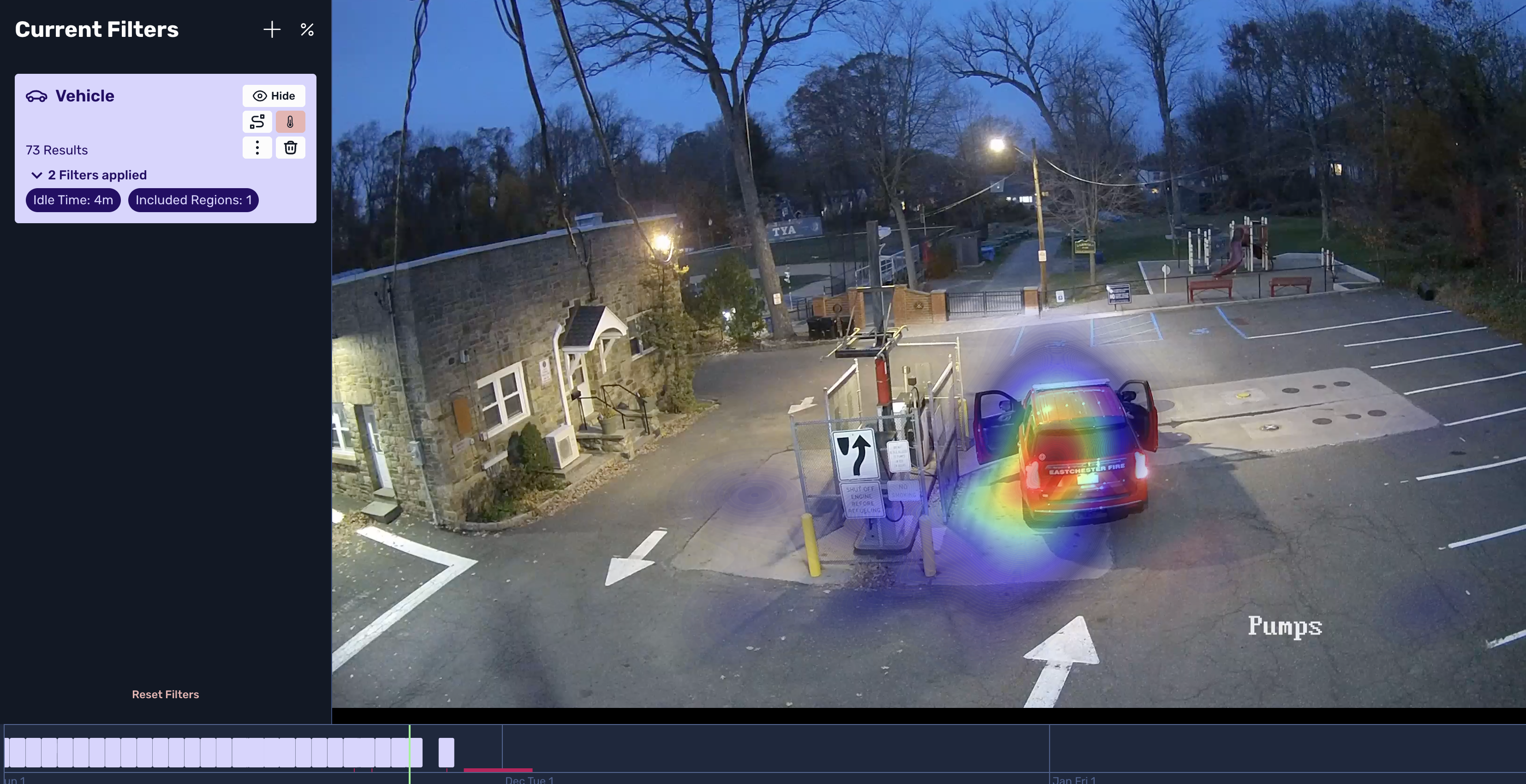
Every business needs cameras, both to protect the property and to get to the bottom of incidents quickly when they happen. But owning cameras is not the same as being protected. Most camera systems only give you a way to watch your problems. Our point of view is that the right system does more than record. It works for you.
Cameras Record. They Don't Do the Work.
It is easy to assume that all camera systems accomplish the same goal. They don't. Every second of footage a basic system records is either another second you will have to sift through by hand or another second of valuable data that slipped through the cracks.
If you run a smaller property with low activity, this may not be a big issue. But if you want to avoid the path that leads to wasted time searching footage, and to more spending once something goes wrong, it is worth thinking about now.
The Hidden Cost of Cameras Nobody Is Watching
The question that tends to get skipped is simple: who will watch the cameras? Often a business invests in cameras and does not touch them until something goes wrong.
Then comes the second investment. Once an incident has happened, you often have to spend more on security to make patrons comfortable. That can mean hiring a security team to watch the cameras and monitor the property. The cameras were supposed to solve that problem, and instead they became the reason you needed another budget line.
A camera that only records leaves you playing hide and seek with your own footage. The cost shows up later, in search time and in added security spending.
What Your Cameras Could Be Doing Instead
Cameras are heavily underutilized. They sit at your property for its entire life and watch incidents, trends, and valuable data appear, yet do nothing about any of it. They could be doing much more.
Monitoring and alerting for threats
Instead of waiting for someone to review video, your cameras can actively watch for threats and alert you when one shows up.
Delivering analytics on activity and trends
The activity at your property is data. Cameras can turn it into analytics about what is happening and how it changes over time, rather than leaving it buried in recordings.
Coordinating with other hardware and services
Cameras can also integrate with other hardware and services to create coordinated actions across your property, so a detection leads to a response and not just a recording.
Why We Built MIDL as a Search Platform for Video
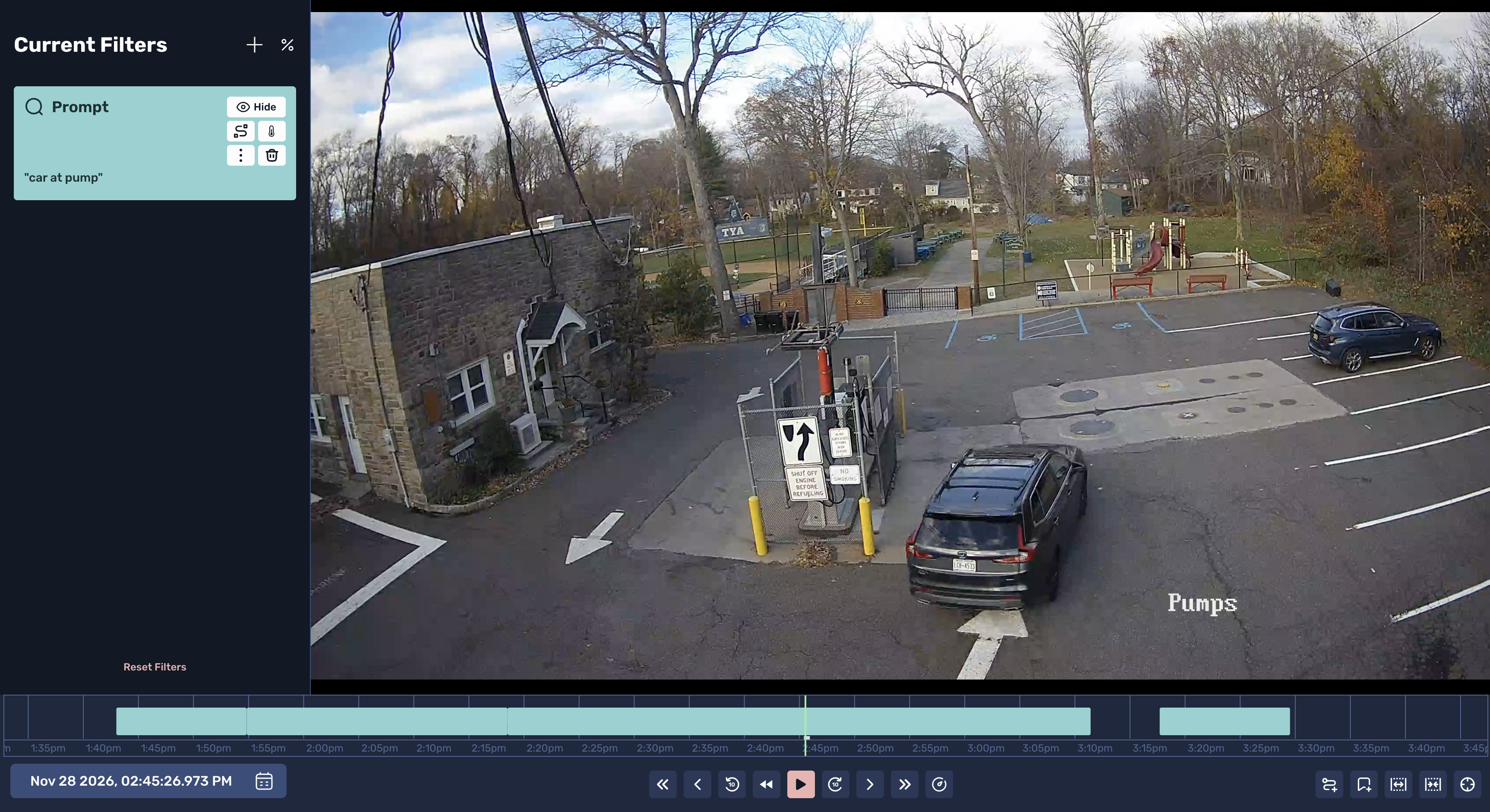
These gaps are why we created MIDL, a search platform for video surveillance. MIDL searches your camera feeds and does one of two things. It alerts you to safety threats, or it catalogs the activity so you can surface it instantly if and when you need it. If you want support with your surveillance, MIDL can provide that too.
The result is a proactive approach to security. You are not fighting tooth and nail to uncover the relevant information in hours of footage, because the footage has already been searched for you.
Key Takeaways
Cameras on their own only let you watch your problems, and every unreviewed second is either manual search time or data that slipped through.
Many businesses do not touch their cameras until something goes wrong, then pay again for security such as a team to monitor the property.
Cameras can actively monitor and alert for threats, deliver analytics on activity and trends, and integrate with other hardware and services.
MIDL is a search platform for video surveillance that alerts you to safety threats or catalogs activity for instant retrieval.
Smaller, low-activity properties may feel this less, but the cost of reactive security grows with your property.
Thinking About Your Camera Setup?
If you are considering implementing cameras or changing your current setup, we are happy to make suggestions, whether you end up using MIDL or not.